The Future of 311 Contact Centers
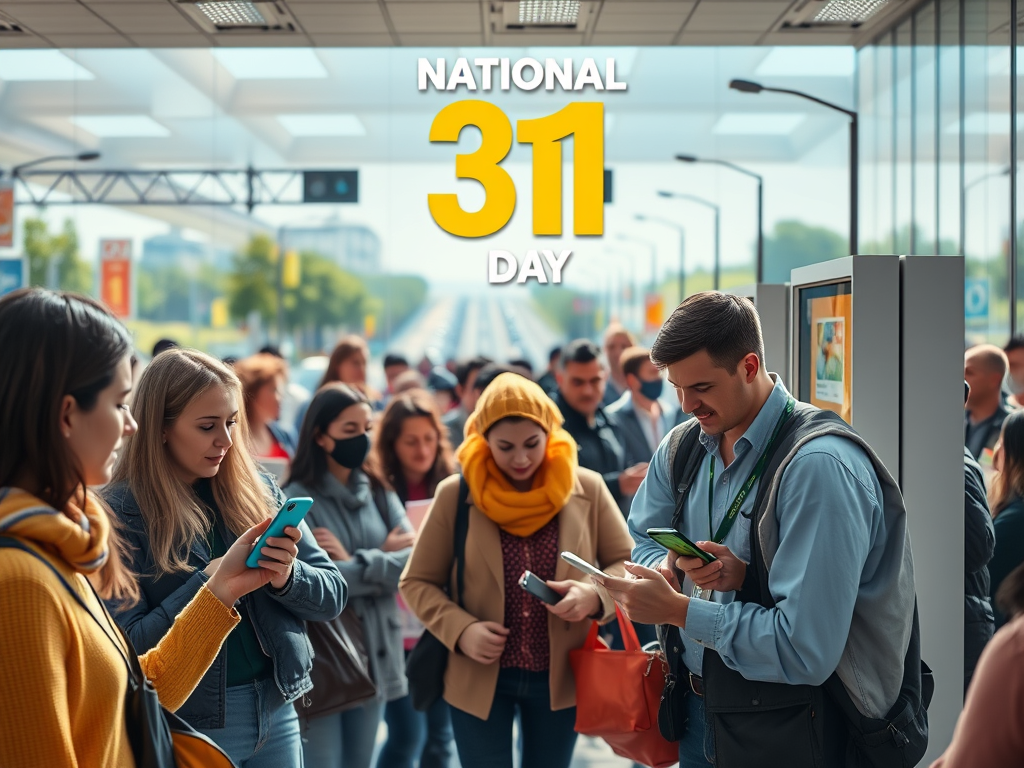
Every year on March 11th, we celebrate National 311 Day. This day is dedicated to recognizing 311 contact centers’ critical role in connecting residents with their local governments. Since their beginning, 311 operations have transformed from simple non-emergency helplines. They have become sophisticated service hubs. These hubs enhance community engagement, improve service delivery, and foster public trust.
As we celebrate this milestone, we also look ahead. The next evolution of 311 operations will be powered by artificial intelligence (AI). AI-driven solutions are changing how local governments manage inquiries. They automate processes and enhance the overall customer experience (CX) for millions of residents.
A Brief History of 311 Operations
The first 311 system was launched in Baltimore in 1996. It offered a dedicated number for non-emergency services, helping reduce the strain on 911 emergency lines. Cities across North America quickly adopted similar models. They provided residents with a single point of contact for reporting issues like potholes, streetlight outages, and missed trash pickups.
Over the decades, 311 has become an integral part of local government service delivery. It has expanded into multi-channel contact centers. These centers handle requests via phone, mobile apps, websites, chatbots, and social media.
How 311 Benefits the Public
311 services are more than just helplines—they are critical infrastructure for civic engagement and government efficiency. Key benefits include:
- Reducing 911 call volume: By diverting non-emergency calls, 311 frees up emergency responders to handle life-threatening situations.
- Enhancing service transparency: Residents can track service requests and get updates, increasing trust in local government.
- Improving operational efficiency: Governments gain data-driven insights into service demand, enabling smarter resource allocation.
- Boosting resident satisfaction: Quick response times and personalized support improve customer satisfaction and public perception of government responsiveness.
AI: The Future of 311 Contact Centers

The next frontier for 311 contact centers is the integration of artificial intelligence. AI is already enhancing operations in several ways, and its impact will only continue to grow.
- AI-Powered Chatbots & Virtual Agents
AI-driven virtual assistants can handle common inquiries 24/7. They reduce call volume and wait times. These assistants offer instant responses.
- Predictive Analytics for Proactive Service
AI can analyze historical data to predict service needs. This enables governments to take proactive action. They can identify high-risk infrastructure issues before they escalate.
- Voice Recognition & Sentiment Analysis
AI-powered voice assistants can detect caller sentiment. They can route calls more efficiently. They also prioritize urgent issues for live agents.
- Automated Case Management & Workflow Optimization
AI can automatically categorize service requests. It assigns and escalates them to ensure faster responses. This also ensures more accurate responses.
- Multilingual Support & Accessibility
Natural Language Processing (NLP) enables AI to offer real-time translation. It assists diverse communities. This makes government services more inclusive.
What’s Next? The Roadmap for AI-Powered 311
To fully leverage AI in 311 contact centers, government leaders must:
- Invest in AI-driven CX technology that integrates seamlessly with existing 311 systems.
- Train staff on AI-assisted workflows to make sure human agents and AI work together effectively.
- Focus on ethical AI use by implementing safeguards against bias and ensuring data privacy.
- Enhance data-sharing partnerships across agencies to improve service coordination and response times.
Conclusion: A Smarter, More Responsive 311 for the Future
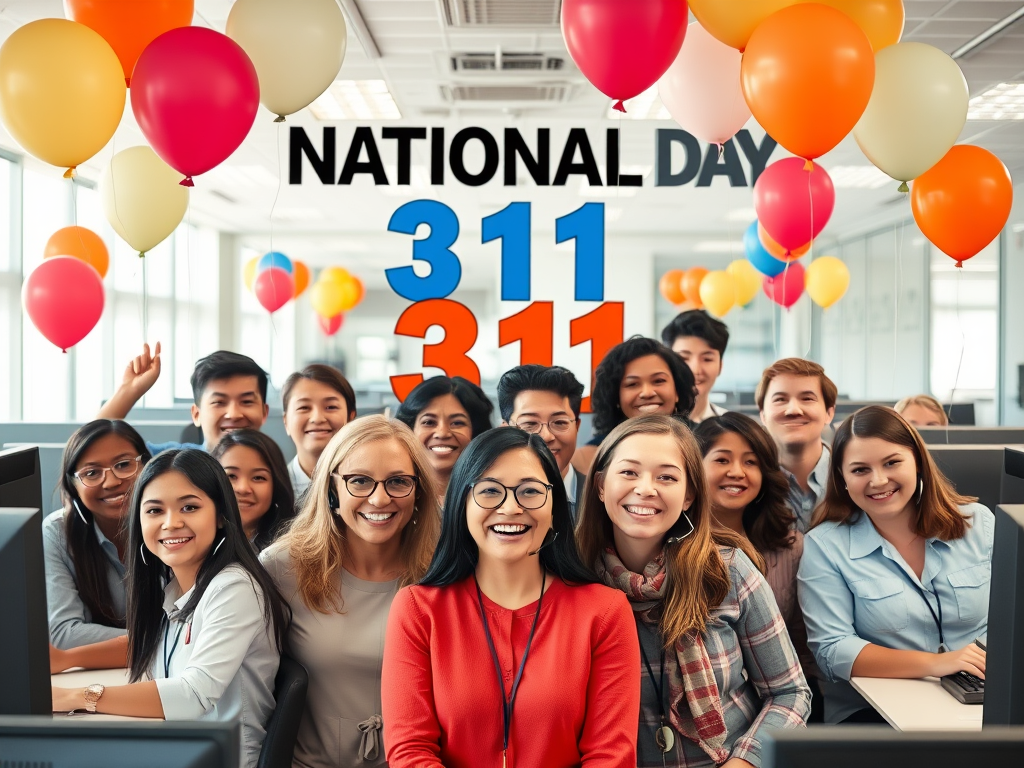
We celebrate National 311 Day. We recognize the vital role these services play in bridging the gap between governments and communities. With the integration of AI and automation, 311 contact centers will continue evolving into smarter, faster, and more resident-centric operations.
For government executives, the time to explore AI-driven 311 transformation is now. By adopting human-centered design, data-driven decision-making, and AI-powered efficiency, we can build the next generation of government customer experience (CX). This new CX is proactive, inclusive, and truly responsive to community needs.
How is your government agency preparing for AI in 311 operations?
What challenges and opportunities do you see in AI-driven public service?
Let’s discuss this in the comments!

 CertifyCX Advisory Group
Leave a comment